

What Fleets Need to Know About ADAS and FMCSA’s 2025 Safety Standards
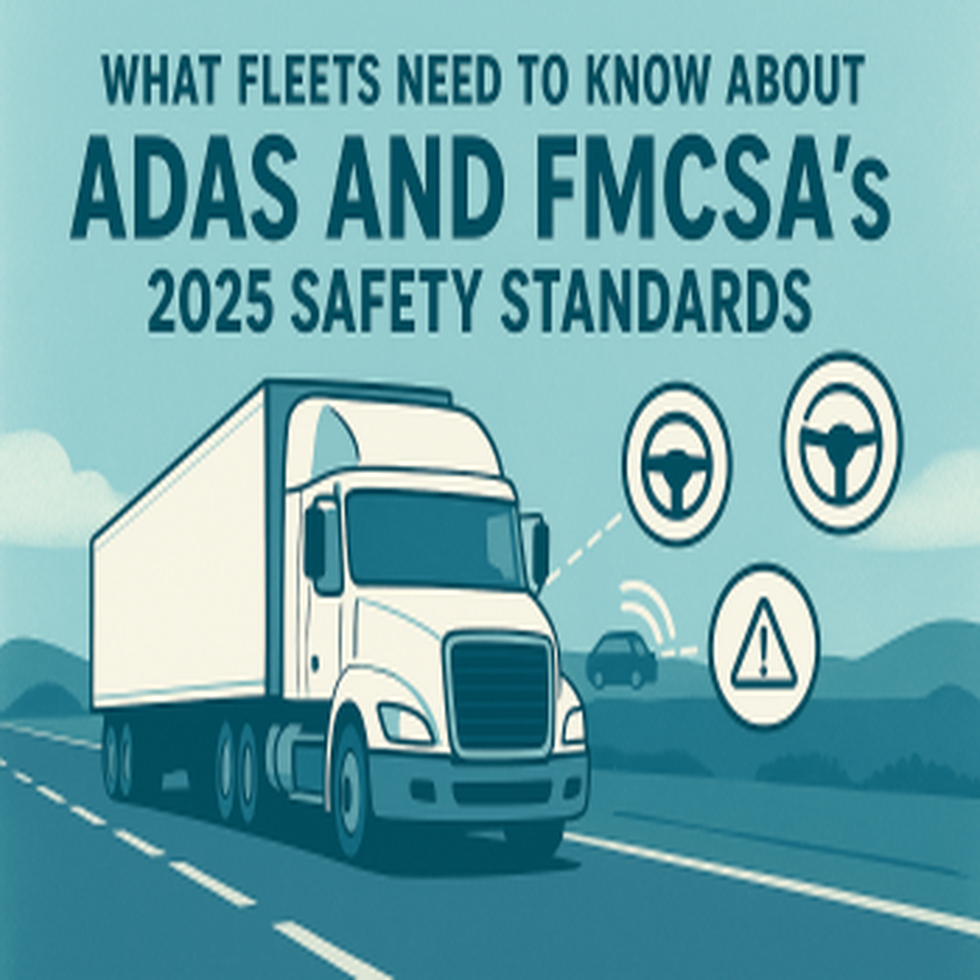
FMCSA data shows that nearly 30 percent of injury crashes involving large trucks are rear-end collisions. Many of these can be avoided with Advanced Driver Assistance Systems (ADAS) that detect risks early, either alerting the driver to take action or automatically applying the brakes to help prevent a crash.
To help improve road and driver safety, the FMCSA has finalized a rule requiring Automatic Emergency Braking (AEB) on new heavy-duty vehicles starting in 2027. Technologies like blind spot monitoring , 360° cameras , and AI-integrated tools are also being seen as practical ways to reduce risk and improve fleet safety.
This article discusses what fleets need to know about ADAS, what FMCSA’s evolving safety standards mean in practice, and how current systems like AEB, radar sensors and back-up cameras are helping reduce risk on the road.
ADAS: Safety Technology for Modern Fleets
Most vehicle crashes are caused by human error and can be prevented with Advanced Driver Assistance Systems (ADAS). These systems combine cameras, sensors, and real-time data to help prevent collisions by warning drivers or automatically applying brakes if the driver does not respond.
Key safety features of ADAS systems include:
Automatic Emergency Braking: This feature assists in the avoidance of rear-end collisions by applying the brakes when the system anticipates a potential impact and the driver does not respond in time.
Blind Spot Monitoring: Alerts the driver when another vehicle is in the driver’s blind spot. Blind spots account for 33 percent of truck crashes , so BSM is particularly helpful when making lane changes or driving in congested traffic.
Driver Monitoring Systems: Sensors within the cab recognize indicators of fatigue, distraction or cellphone use, issuing real-time alerts and recording repeated incidences for follow-up coaching.
Lane Departure and Assist: Lane departure warnings notify the driver when the vehicle begins to move out of its lane without using a turn signal. Lane keeping assist systems steer the wheel to help guide the truck back to the center of the lane. This feature can be especially helpful on long stretches of highway or when conditions make it difficult for a driver to see lane markings
Adaptive Cruise Control and Beam Control: Adaptive cruise control maintains a safe following distance by adjusting speed as necessary. High beam control automatically toggles between high and low beams based on traffic, helping drivers focus while minimizing glare for others on the road.
Some ADAS solutions also integrate additional technologies that enhance fleet visibility and decision-making. Features like video telematics with AI technology combine driver footage with real-time data such as speed or braking. These behaviors and patterns can be flagged as unsafe and influence follow-up coaching. Other tools include predictive analytics, advanced collision warnings or safety scoring systems that give fleet managers a clearer picture of what’s happening on the road and inside the cab.
FMCSA Regulations Fleets Should KnowThe FMCSA has issued a final rule that requires Automatic Emergency Braking (AEB) on heavy-duty trucks starting in 2027. This includes Class 7 and 8 vehicles and applies to newly manufactured models. The goal is to enhance safety and reduce rear-end crashes by activating the brakes if a driver doesn’t react in time.
The FMCSA has updated its regulations to allow safety technologies such as forward-facing cameras, collision warning sensors, and lane departure systems to be mounted lower on the windshield than previously permitted. Devices can now be installed up to 8.5 inches below the upper edge of the wiper sweep, making it easier to equip vehicles with ADAS tools without obstructing driver visibility.
These updates clear the way for more fleets to adopt real-time alert systems and other tools designed to reduce collisions and improve visibility, creating a safer, more prepared fleet behind the wheel.
These updates clear the way for more fleets to adopt real-time alert systems and other tools designed to reduce collisions and improve visibility, creating a safer, more prepared fleet behind the wheel.
Safety Technologies Fleets Need in 2025
Along with ADAS systems and technologies like automatic emergency braking, FMSCA is encouraging and promoting the adoption of safer, more advanced fleet technologies. These tools help reduce collision risk, coach drivers, improve visibility and trigger alerts for obstacles, pedestrians, and low moving vehicles.
Innovative technologies that promote safety and improve fleet operations include:
Back-up and Side Cameras
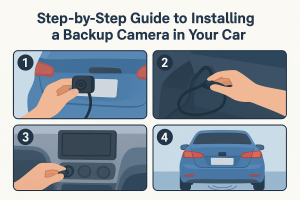
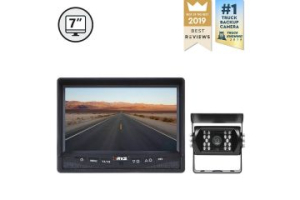
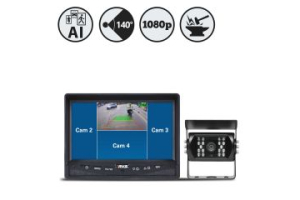
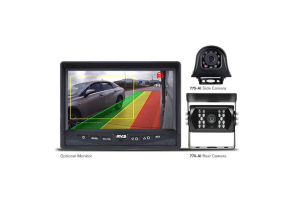
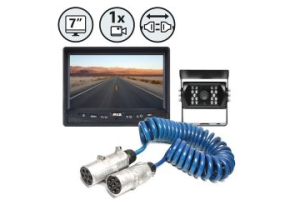
These cameras enhance rear and side visibility during reversing, parking, or low-speed maneuvers in tight spaces. Available in a range of configurations with features like night vision, waterproof housing, wireless transmission, and built-in display systems, they help prevent collisions, improve driver awareness, and adapt to a variety of vehicle types. Rear View Safety offers a wide selection of backup camera systems engineered specifically for commercial fleets, enabling smarter, safer navigation in high-risk zones and daily operations
Blind Spot Monitoring (BSM)There are four major blind spots around large commercial vehicles that can’t be covered by mirrors and simple cameras. Blind spot detection systems work to fill in these spaces with a warning to drivers that another vehicle or object is present. This is particularly important during lane changes, when merging or other similar high-speed driving conditions. The RVS-131 Radar Blind Spot Detection System is equipped with up to 82 feet of wide-range coverage. Visual and audible alerts let drivers know if a car or object is in the blind zone. The warning light in the A-pillar and integrated speaker work together to ensure the driver’s undivided attention.
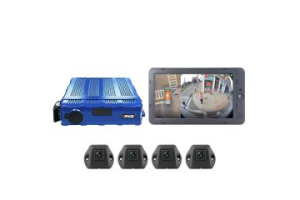
360° Camera Systems360° camera systems provide a full view around the vehicle for low-speed maneuvers with no blind spots, providing a safer and more controlled operation. Designed with four wide angle cameras, object detection and in-cab audio-visual alerts, a 360° bird's-eye-view camera system is equipped with customizable overlays and proximity sensors. This makes it easier for drivers to maneuver through tight spots and switch seamlessly between views, avoiding collisions and costly damage. Rear View Safety’s InView 360° safety camera systems have all the features to help drivers in challenging situations.
Telematics and AI Solutions
Fleet managers can reduce the risk of collision, injury and liability with AI-enabled video telematics, real time alerts and in-cab driver monitoring. Rear View Safety’s MobileMule offers a scalable, cost-effective solution that helps fleets detect fatigue, distraction, and risky behavior before it can lead to costly incidents. With dual-camera views of the road and driver, scoring tools, and smart alerts, fleet managers can coach more effectively, improve performance, and reduce long-term risk.
Driving Fleet Safety with Modern Technologies
ADAS technologies are quickly becoming an integral part of safe and responsible fleet operations. With FMCSA regulations evolving, fleets need systems that enhance visibility, improve driver response time and help reduce collisions. Tools like backup cameras, blind spot detection and driver monitoring lower the risk of accidents and liability while giving teams more control and confidence behind the wheel.
For fleets committed to safety and smart growth, Rear View Safety offers a complete range of innovative camera systems. With the mission to make the roads a safer place, we aim to provide our drivers with the highest quality and most personalized vehicle safety solutions.
Need help choosing the right camera system for your fleet? Use our ROI calculator to estimate how much you can save or visit the support page for quick answers. If you’d prefer to speak with someone, feel free to contact us directly.