

How AI Camera Systems Detect Pedestrians and Blind Spots in Real Time
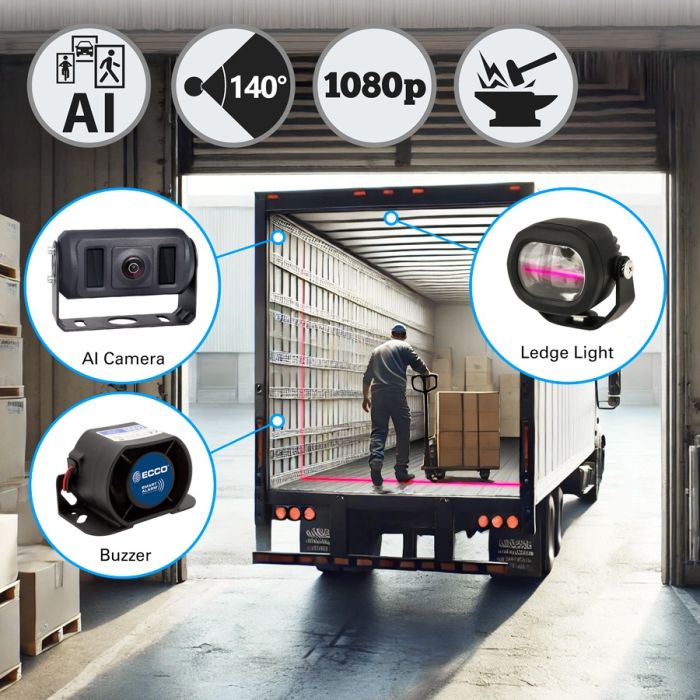
Fleet camera systems are an essential safety tool for reducing collision risk. AI camera systems take these capabilities further with real-time visibility and detection of blind spots and obstacles. Beyond incident prevention, the right system can support driver coaching, telematics, and performance tracking across the fleet.
In this article, we will explore how AI camera systems can help fleets improve safety and performance, with a closer look at their features and benefits for safer, more efficient fleet operations.
How AI Camera Systems Improve Fleet Safety in Real Time
For fleet managers, reducing preventable accidents is one of the main benefits of adding AI-enabled safety technology. The 2023 State of Fleet Safety Report found that 21 percent of large fleets reported avoiding up to 19 accidents after implementing an AI-powered safety solution.
Here’s how fleets can improve safety and performance by integrating AI camera systems:
Blind Spot Detection
Side mirrors and a rear camera only tell part of the story. Along the sides and at the corners of a truck or van, there are areas drivers cannot see clearly. These blind spots are where cyclists, pedestrians, posts, and smaller vehicles can be missed.
AI camera systems help close these gaps with cameras mounted at the front, rear, and sides of the vehicle, giving drivers greater visibility across the vehicle. A single view can show the front corners, both sides, and the area directly behind the vehicle. This helps drivers maneuver through tight spaces, make safer turns, change lanes, and line up with loading bays. A wider viewing angle is especially useful for larger vehicles, which usually have significant blind spots.
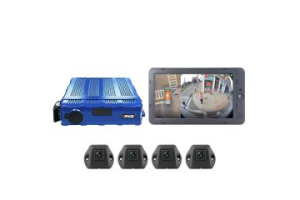
For complete blind spot visibility, consider Rear View Safety’s 360° Bird’s Eye View AI Camera System. It features four wide-angle cameras that create a real-time, top-down view around the vehicle. Proximity sensors and automatic view changes linked to the turn signals and reverse gear give drivers additional visibility. When someone or something enters that blind‑spot zone, the system can flag it on screen and sound an alert, giving the driver a moment to stop or correct before a close call turns into a collision.
Advanced Detection
AI camera systems have advanced detection features that identify pedestrians, cyclists, and vehicles entering the detection area, helping drivers identify potential hazards before they become a collision risk. For fleet vehicles operating in heavy traffic, loading areas, worksites, and other high-traffic environments, this added detection improves situational awareness.
For advanced detection of pedestrians, cyclists, and vehicles, Rear View Safety’s 360 AI Pedestrian Detection System features four wide-angle AI cameras and three customizable detection zones to monitor areas around the vehicle. It can detect pedestrians within the configured range, alerting drivers at the right time to help reduce collision risk.
This fleet camera system also features precision monitoring that recognizes human body parts and different human postures for greater accuracy and protection against potential collisions. For fleets, this can be useful around construction sites, warehouses, delivery areas, and utility vehicles where drivers work close to pedestrians and other vehicles.
Audible and Visual Alerts
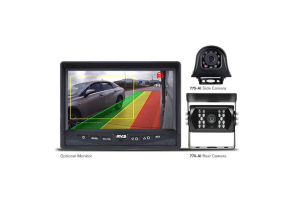
AI camera systems monitor the detection zones and provide visual and audible alerts when a vehicle, pedestrian, or obstacle enters the detection area. Color-coded visual alerts make it easier for drivers to recognize potential hazards on the monitor, and audio alarms draw their attention to the alert. These real-time warnings can improve driver awareness during backing maneuvers and congested routes, helping reduce preventable collisions, property damage, and injuries.
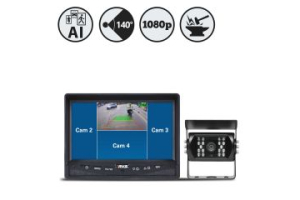
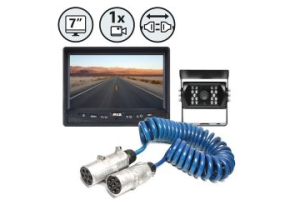
To improve situational awareness in heavy traffic, busy routes, and tight delivery schedules, consider Rear View Safety’s KT-AI 1080P AI Camera & Monitor Kit. This fleet camera system features a wide-angle AI camera and 4-channel FHD monitor with color-coded visual alerts and audible warnings, giving drivers an immediate warning when a potential hazard is detected.
Fleet Integration and Durability
AI camera systems can be integrated with in-cab monitors, DVRs, and additional cameras, allowing fleets to expand their camera systems as vehicle and visibility requirements change. This makes it easier to add camera coverage or monitoring features without replacing the entire system. Weatherproof housings and durable camera construction, including IP69K-rated systems, help protect the equipment from rain, dust, vibration, and other demanding conditions common in fleet operations.
Fleet camera systems also offer features such as telematics and incident recording, giving fleet managers clearer insight into vehicle activity and driver behavior. Video, real-time alerts, GPS data, and in-cab monitoring can help with driver coaching, incident review, insurance claims, and liability protection, giving fleet managers a record of events when they need it.
Improve Fleet Safety with AI Camera Systems
Upgrade your fleet camera systems with AI-enabled camera systems to reduce collision risk with real-time visibility, blind spot detection, 360° AI pedestrian detection, and audio-visual alerts. These features can help fleets reduce liability and insurance costs, improve driver awareness, and operate more efficiently.
Frequently Asked Questions
What should fleets consider when choosing an AI camera system for different vehicle types?
Start with the vehicle’s size, blind spots, and the areas drivers need to see. Smaller fleet vehicles may need a forward-facing or rear camera, while larger trucks, work vehicles, and trailers may benefit from additional side or rear cameras for wider coverage. The right configuration should match the vehicle and the common scenarios that drivers encounter.
Can the 360 AI Pedestrian Detection System detect more than pedestrians?
The 360 AI Pedestrian Detection System is primarily designed for pedestrian detection, but its AI camera coverage can also identify vehicles and other objects depending on the configured system and detection functions. Rear View Safety's current AI product range includes systems specifically designed for pedestrian and obstacle detection.
Can the InView 360° system be used on larger fleet vehicles?
Yes. Rear View Safety offers a 6-camera option for larger vehicles, in addition to the standard four-camera configuration. The system also supports customizable vehicle overlays and automatic camera-view triggers for different driving situations.
Need help choosing the right camera system for your fleet? Use our ROI calculator to estimate how much you can save or visit the support page for quick answers. If you’d prefer to speak with someone, feel free to contact us directly.