

5 Reasons Why Vehicle Camera Systems Aren't Meeting Expectations
Most fleet managers don't really pay attention to the fact that something is wrong in their vehicle camera system until after an incident happens.
On paper, you might have a perfectly installed system, but cameras might still fail to meet the expectations of your daily operation.
The problem usually isn't technology itself, but the gaps that lead to safety issues, damage to property or vehicles, or dispute issues.
Despite investing in the right camera system, understanding the reasons can create a huge difference between what you expect and reality.
This is a quick list for you to consider, including the reasons behind those and where to focus for optimizing your camera system.
What Fleet Managers Get Wrong About Vehicle Camera Systems?
Understanding where things go wrong helps in finding what step to take toward making your system actually work to deliver in the real world.
When cameras are viewed as a compliance requirement rather than an operational tool, this causes visibility and behavior change that the fleet expects.
1. Treating Cameras As a Compliance Tool
One of the most common mistakes that a fleet manager tends to make is to view their vehicle camera system purely as an insurance or compliance lens.
Cameras are installed to satisfy the regulations, reduce claim disputes, and meet client requirements.
The camera ended up being a passive recorder rather than providing you with active safety tools.
It tends to go wrong with the compliance-first approach, if :
- System selected based on the minimum requirement instead of what the operational need is.
- Driver usability is treated as a secondary option.
- Installation quality is either rushed or outsourced without proper oversight.
- Training is skipped because it is self-explanatory.
2. All Camera Setups Work In The Same Way
Camera systems deliver different visibility, yet fleets often deploy identical setups, expecting to have results across different vehicles and routes.
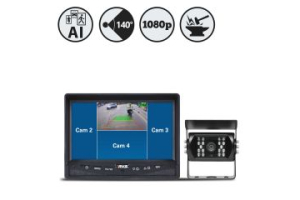
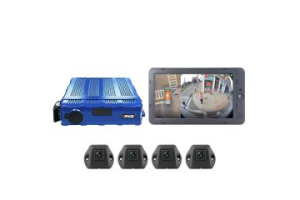
For some fleets, adding multiple visibility, such as a 360 surround view camera system car, can improve awareness in low-speed maneuvers, such as in certain situations.
Having such an assumption can quickly break down when :
- A single rear camera is set to cover long box trucks and compact vans equally.
- Urban delivery vehicles face situations like tight maneuvering that highway fleets don't.
- Yard operations require different visibility as compared to on-road driving.
- Drivers struggle in dealing with blind zones, which aren't considered during the system selection.
3. Underestimating the Role Of Sensors & Redundancy
With the right cameras, it brings you a visual connection, but they aren't always foolproof.
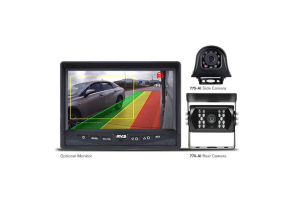
Situations like bad weather, dirt, low light, and glare can affect its clarity. This is where your fleet needs aftermarket backup sensors, providing redundancy, especially when visible conditions are not up to the mark.
Ignoring such situations can lead to :
- Missing obstacles during operations in nighttime or bad weather.
- camera lenses get blocked by road grime or dust,
- Visual attention can split during complex maneuvers.
- No audible alert exists when it comes to reinforcing proximate awareness.
4. Believing Experienced Drivers Don't Need System
Camera systems are not only for new or inexperienced drivers. Even the most experienced drivers find it hard to see behind a tailgate or rear bumper.
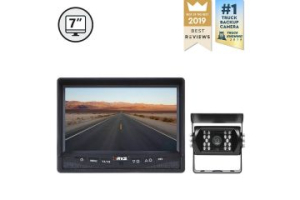
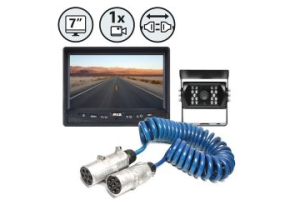
Systems like truck backup cameras can help in addressing the physical visibility limit, which benefits drivers regardless of their skills.
The belief can cause you issues when :
- Veteran drivers don't find it comfortable, as it's often framed as monitoring.
- Skipping training and assuming skill can replace visibility.
- Blind spot that gets underestimated based on experience behind the wheel.
- Near misses are normalized instead of being properly analyzed.
Ignoring Right Installation & Calibration
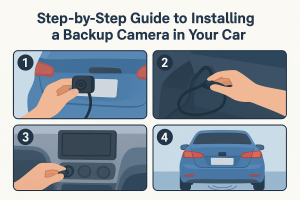
A poorly installed camera system can be worse than having no system at all. The incorrect angles can cause distorted distance precipitation, which reduces trust in technology.
When your driver doesn't want what they see on their screen, they don't utilize the system well.
Some of the common installation mistakes include:
- Mounted cameras are either too high or too low.
- Misaligned guidelines that don't match your vehicle dimensions.
- The display where drivers must look away from the road is too long.
- The installation inconsistency across the fleet
Must Read : Snow Melting Cameras: A Game-Changer for Winter Fleet Safety
What Fleet Managers Should Focus On Instead?
To get a real value from your vehicle camera system, fleets need a shift in their approach.
For example, when drivers see cameras as a tool for protecting them, they adapt more naturally and efficiently, instead of considering a way to monitor them.
For optimizing and safety, focus on :
1. Operational fit: When choosing a system, look for what matches your vehicle type, route conditions, and risk profile.
2. Driver Usability: Make sure the screens, views, and alerts are intuitive without distracting the driver.
3. Reducenacy: Combine the cameras with the right sensors to add a layered awareness in your fleet operations.
4. Training & Communication: To set a trust and transparency, explain how the system works and why it's needed. It helps your drivers but also utilizes the system in the right way.
Read More: Cargo Safety in Commercial Fleets: Reducing Risk and Liability
Conclusion
Vehicle camera systems tend to fail if your expectations are unrealistic and deployments are done in a rush.
Fleets that treat cameras as an operational tool rather than a compliance checkbox contributes in better adoption, lowering safety hazards and more confidence behind the wheel.
Also, to pair the right system, pick what is made for your operational requirements and vehicle type.
Rear View Safety offers you a wide range of balancing technology and systems to integrate right into your fleet operational requirements.
Explore Camera Systems Made To Add Safety & Optimize Fleet Operations
FAQs
Do vehicle camera systems invade driver privacy?
No, opting for event-triggered recording with access logs only focuses on roads, not faces, which protects the trust and privacy of drivers.
Is an advanced camera system only useful for large fleets?
Fleets of any size can benefit when they have a system matched to their vehicle type and operating environment.
Do fleets need sensors if cameras are already installed?
Yes, aftermarket backup sensors help in providing a reliable proximity alert, especially in poor visibility situations.