

Navigating Holiday Traffic: Essential Safety Tech for Drivers and Fleets
The holiday season, particularly from Thanksgiving to New Year's, is one of the busiest times of the year for travel. Early reports show that 81.8 million people are expected to travel for Thanksgiving alone, with more than 73 million traveling by car . The increase in traffic combined with winter weather, shorter daylight hours, and congestion on major routes puts added pressure on fleet operations.
For fleet managers, this means higher collision risk, reduced visibility, and more difficulty maintaining delivery timelines. With more vehicles on the road and winter conditions impacting maneuverability, equipping trucks and vans with the right safety technology can help drivers stay aware of hazards and navigate congested routes more safely.
This article discusses the operational challenges fleets face during the holiday season and the safety technologies they can adopt to maintain safer, more efficient operations.
How Holiday Traffic Conditions Affect Fleet Safety and Performance
For fleets moving consumer goods, food, equipment, or industrial materials, the holidays create demanding operating conditions. Traffic rises, delivery windows shorten, and winter weather adds uncertainty. With more vehicles on the road, the likelihood of delays and safety risks increase. Here’s how these conditions affect fleet operations:
Driver Fatigue and StressDriver fatigue is a factor in at least 15 percent of all heavy truck crashes. During the holiday season, long hours, heavy traffic, winter weather, and the pressure to stay on schedule increase physical and mental fatigue for drivers. Navigating congested streets and working long hours can lead to reduced alertness and slower reaction times. These factors raise the chances of collisions.
Harsh Weather and Poor Driving Conditions
Heavy congestion can reduce average travel speeds by 20 to 50 percent during holiday peak periods. Congested highways, crowded retail zones, lane blockages, and weather-related incidents often cause unplanned delays. Fleets also face downtime from minor low-speed collisions, such as back-up incidents or sideswipes, which rise during the holiday season. These disruptions impact delivery schedules and reduce operational efficiency.
Higher Costs
Traffic congestion added $108.8 billion in costs to the trucking industry in 2022. During the holidays, fleets incur higher expenses and fuel waste due to bottlenecks, gridlocks, extended driving hours, repairs from minor collisions, and potential liability from crashes. These costs add pressure to already tight margins and can impact overall logistics performance and profitability.
Safety Technologies That Help Fleets Navigate Holiday Traffic
Most accidents are caused by human error and can be prevented. Advanced safety technologies such as radar object detection and blind spot monitoring systems help improve visibility and situational awareness, reducing collision risk. These tools give drivers the support they need to navigate holiday traffic, poor weather, and the safety challenges common across fleet operations.
Some of the technologies fleets can integrate to make holiday driving safer include:
360° Camera Systems
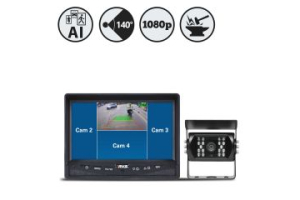
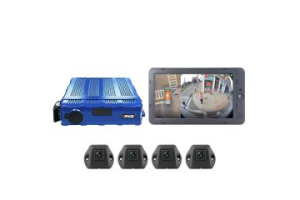
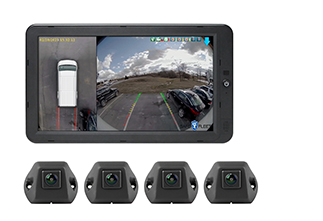
These advanced systems give drivers a complete real-time view around the vehicle, eliminating blind spots and making low-speed maneuvers safer and more controlled. With four wide-angle cameras, obstacle detection and in-cab audio-visual alerts, 360° bird's-eye view camera systems enhance driver and road safety. Rear View Safety’s InView 360° system offers customizable overlays, proximity sensors, and seamless switching between views, helping drivers navigate tight spaces, reduce collisions, and avoid costly damage.
Learn more about the safety benefits of 360 cameras in our blog:
How 360 Cameras Help Fleet Vehicles Improve Safety
Blind Spot Detection System
Blind spot detection systems help close blind spots by alerting drivers to nearby vehicles or obstacles, especially during lane changes or high-speed traffic. The RVS-131 Radar Blind Spot Detection System provides wide-range coverage up to 82 feet and issues visual and audible alerts when a vehicle enters the blind zone. A warning light in the A-pillar and an integrated speaker help ensure drivers are immediately aware of potential hazards.
Radar Camera System
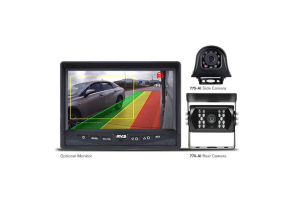
Radar detection systems help drivers identify hazards they may miss, such as stationary objects, pedestrians, or vehicles approaching from the rear. Drivers receive clear audio alerts as objects move closer, improving awareness during backing maneuvers or when navigating congested holiday routes. This added visibility helps reduce low-speed collisions, property damage, and downtime during peak delivery periods.
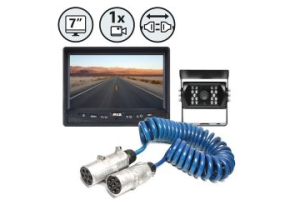
For a comprehensive solution, the RD All-In-One Camera System with Monitor combines radar detection with a built-in camera, offering proximity alerts and visual monitoring. It uses ultrasonic sensors and short-range radar to identify obstacles behind the vehicle and can avoid false detections in crowded areas or busy loading docks, helping drivers maintain accurate awareness and consistent visibility at all times.
Back Up Camera System
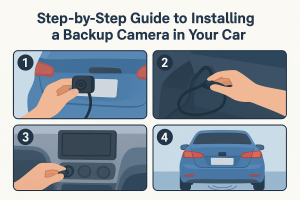
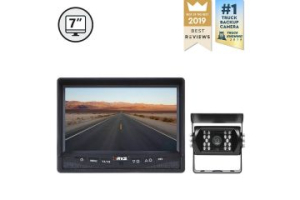
Back-up cameras improve rear visibility during reversing, parking, or low-speed maneuvers in tight spaces. Available in a range of configurations with features like night vision, durable waterproof housings, and built-in displays, they help prevent collisions, improve driver awareness, and adapt to various commercial vehicle types.
For complete protection against backup incidents, consider the RVS-772718 Backup Camera System with a flush-mount camera and mirror monitor. The mirror monitor attaches directly to the windshield, giving drivers a clear, unobstructed view of the rear. With a wide viewing angle and enhanced night vision, this system helps with safer maneuvering in congested areas and after dark.
Collision Avoidance System
Collision avoidance systems provide real-time monitoring of potential hazards, delivering audio-visual alerts to help drivers avoid front-end collisions, assisting drivers during heavy traffic, poor weather, or in areas with increased foot traffic during the holiday season.
The RVS Mobileye Collision Avoidance System uses advanced vision sensors to identify vehicles, pedestrians, lane markings, and potential hazards. Drivers receive instant alerts for lane departure, forward-collision risk, and sudden braking from vehicles in front, helping reduce preventable crashes for safer fleet operations.
Along with advanced camera systems, consider integrating telematics and AI-integrated tools to get more insight into what’s happening on the road and inside the cab. With video, real-time alerts, and in-cab monitoring, these systems help plan optimal routes, track driver behavior, reduce fuel use, and keep time-stamped footage for coaching, claims, or liability protection.
For more information on leveraging AI-assisted camera systems for fleet efficiency, check out:
Using AI Cameras to Coach Drivers and Improve Performance in FleetsInvest in Safety Solutions Designed for Secure Fleet Operations
Upgrade your fleet operations with safety technology that saves lives. From 360° camera systems for real-time visibility and radar detection to identify potential hazards to blind spot monitoring and collision avoidance systems to reduce collision risk, these tools give drivers the awareness they need to navigate heavy traffic, poor weather, and demanding schedules with confidence.
Need help choosing the right camera system for your fleet? Use our ROI calculator to estimate how much you can save or visit the support page for quick answers. If you’d prefer to speak with someone, feel free to contact us directly.