

How Advanced Collision Avoidance Systems Reduce Risk in Holiday Traffic
As the holiday season approaches, navigating congested roads safely becomes especially important. The surge in traffic due to holiday travel, combined with harsh weather, increases the risk of collisions. For fleet operations, these conditions bring additional challenges. Jam-packed roads, longer lead times, shorter daylight hours, and long driving hours add to the pressure of meeting customer expectations. Data shows that between 2017 and 2021, more than 32,000 lives were lost due to motor vehicle crashes from November to December. This translates to about 1.2 fatal crashes per 100 million miles driven.
Safety technology, such as 360° camera systems and Advanced Driver Assistance Systems (ADAS), can help fleets avoid many of these collisions by improving visibility, alerting drivers to hazards, and reducing the chances of human error.
In this article, we will explore some of the best collision avoidance systems for fleets, discussing their features and benefits to help fleet managers integrate the right safety technology for safer, more efficient fleet operations.
Why Collision Risk Increases During the Holiday Season
Holiday travel increases exposure to high-risk driving conditions. Traffic density rises, the weather becomes more unpredictable, and the delivery pressure is higher. These factors make collisions more likely, especially low-speed impacts, rear-end crashes, and lane-change incidents.
Some of the collision-specific risks that affect fleet vehicles during the holiday season include:
Slow and Congested Traffic
FMCSA data shows that nearly 30 percent of injury crashes involving large trucks are rear-end collisions. During peak holiday season, these incidents increase because roads and commercial areas are crowded with more vehicles, pedestrians, and delivery trucks. For large fleet vehicles, it’s more difficult to detect pedestrians, objects, or other vehicles in tight, congested spaces, especially when backing up or parking.
Sideswipes and Lane-Change Collisions
More than 33 percent of truck-related crashes happen because other road users aren’t seen in time. Larger commercial vehicles have limited side visibility, making lane changes more difficult on highways and in traffic-heavy areas. With added pressure to meet delivery schedules, drivers often navigate through fast-moving traffic, holiday travelers, and longer operating hours with shorter daylight. Small vehicles, motorcycles, and bikes can easily fall outside the driver’s line of sight. With blind spots, limited space, and heavier holiday traffic, the chances of sideswipes and merge-related collisions increase.
Higher Foot Traffic
Crowded shopping zones, busy streets, and neighborhood areas make it harder to detect pedestrians, stationary objects, and parked bikes. This is especially true in low-light or poor-weather conditions. Snow, rain, and shorter daylight hours also reduce visibility, limiting mobility and increasing collision risk in tight spaces.
Driver Fatigue
At least 15 percent of all heavy truck collisions involve driver fatigue. During the holiday season, long hours, heavy traffic, winter weather, and the pressure to stay on schedule increase physical and mental fatigue for drivers. Navigating congested streets, working extended shifts, and long driving hours can lead to reduced alertness and slower reaction times, raising the chances of preventable collisions.
Advanced Collision Avoidance Systems for Fleets to Enhance Safety
360° Bird Eye View Camera Systems
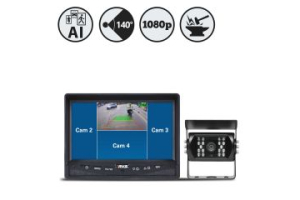
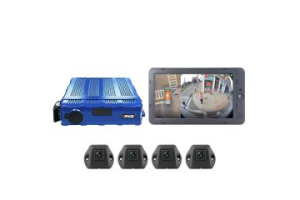
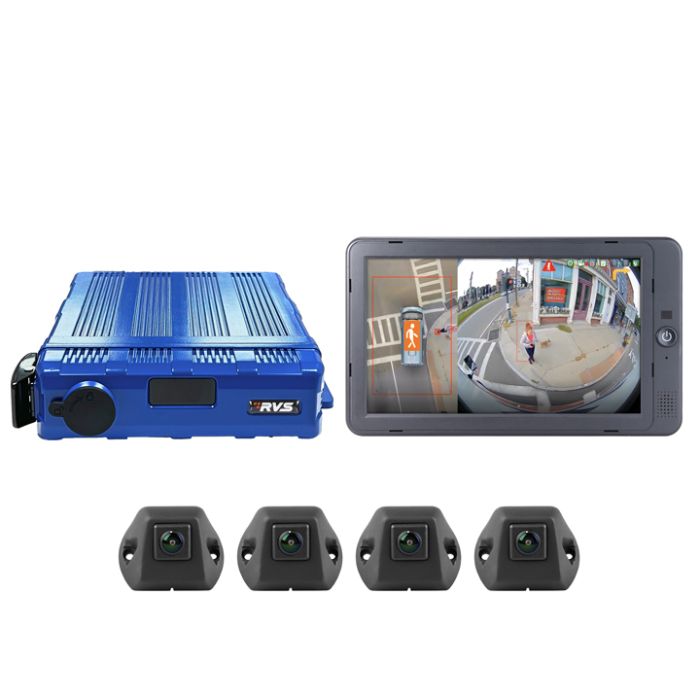
These advanced systems give drivers a complete real-time view around the vehicle, eliminating blind spots and making low-speed maneuvers safer and more controlled. With four wide-angle cameras stitched into a single top-down image, drivers can see pedestrians, parked vehicles, curbs, and small obstacles that mirrors may not catch. This is particularly helpful when backing up or turning in narrow areas. This helps reduce back-up incidents, low-speed collisions, and close-range contact in parking lots, retail centers, and delivery zones where space becomes tighter during the holiday season.
Collision avoidance features include:
- A full perimeter view that improves visibility and helps drivers avoid pedestrians, bikes, and stationary or low objects.
- Switching between front, rear, and side views for added situational awareness during reversing, turning, and lane-side movement.
- Real-time video that updates as the vehicle moves, helping prevent contact in crowded or low-visibility zones.
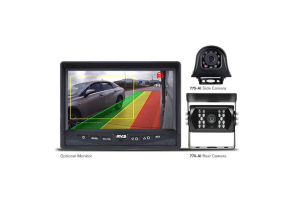
Rear View Safety’s InView 360° system offers customizable overlays, proximity sensors, and seamless switching between views, helping drivers navigate tight spaces. The real-time views help reduce collisions and avoid costly damage. Large fleets can add proximity sensors to help detect hazards at close range in tight loading points or congested routes. With clear HD displays, customizable overlays, and automatic switching to rear or side views when reversing or signaling, drivers get a complete view of the vehicle’s perimeter as soon as they start moving, reducing preventable collisions and enhancing driver safety.
Mobileye Collision Avoidance System
Collision avoidance systems provide real-time monitoring of potential hazards, delivering audio-visual alerts to help drivers avoid front-end collision. Collision avoidance is critical during the holiday season, with an increase in traffic and poor weather conditions.
The RVS Mobileye Collision Avoidance System uses advanced vision sensors to identify vehicles, pedestrians, lane markings, and potential hazards. Drivers receive instant alerts for lane departure, forward-collision risk, and sudden braking from vehicles in front, helping reduce preventable crashes for safer fleet operations.
Collision avoidance features include:
- Warnings that help drivers maintain safer headway and proper following distance, especially in slow or congested traffic.
- Real-time alerts calibrated for both regular-speed and low-speed conditions, helping reduce front-end collisions in stop-and-go routes.
- A speed-limit indicator to prevent speeding for safe driving in busy or high-traffic areas.
Mobileye can be installed on most vehicle types, allowing fleets to upgrade existing units and reduce preventable front-end collisions during peak holiday seasons.
Keep Your Fleets Safer with Advanced Collision Avoidance Systems
Safety solutions like 360° cameras and Mobileye enhance visibility, improve driver response time, and help reduce collisions, making them an essential safety upgrade for fleets. These systems offer year-round safety, giving drivers more control and confidence behind the wheel while helping fleet managers improve coaching, lower costs, and keep operations safer and more efficient.
Need help choosing the right camera system for your fleet? Use our ROI calculator to estimate how much you can save or visit the support page for quick answers. If you’d prefer to speak with someone, feel free to contact us directly.