

How Driver Monitoring Systems Are Transforming the Trucking Industry
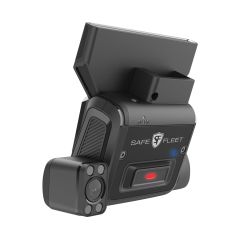
The modern trucking industry is no longer just about horsepower, payload capacity, or route optimization, it's about safety, data, and visibility into driver behavior.
At the heart of this shift is the rise of Driver Monitoring Systems, which is a sophisticated network of cameras, sensors, and AI-powered algorithms that see not only what the driver sees but often what the driver misses.
As fleet managers face increasing pressure to improve road safety, reduce costs, and comply with complex regulations, DMS has emerged as a critical piece of the puzzle.
In this article, we dive into the technical workings, real-world implications, and the transformative impact of DMS, especially as trucking fleets evolve toward smarter, more connected operations.
Understanding the Core of Driver Monitoring Systems
Driver Monitoring Systems (DMS) are designed to assess driver behavior, attentiveness, and physical condition in real-time.
Unlike basic dashcams or GPS trackers, DMS uses AI-enhanced visual recognition, infrared sensors, and machine learning models to generate a live profile of the driver’s physical and cognitive state.
Here are the major components:
- Infrared Eye-Tracking Cameras: Mounted on the dashboard or steering column to detect where a driver is looking, how often they blink, and how long their eyes are off the road.
- Facial Recognition & Micro-Expression Analysis: Detects subtle signs of fatigue or stress, such as drooping eyelids, yawning, or micro-sleeps.
- Behavioral Pattern Analytics: Learns individual driving habits, helping distinguish between normal behavior and potentially dangerous deviations.
- Real-Time Feedback Loops: Issues multi-modal alerts—auditory tones, haptic seat vibrations, or flashing dashboard warnings—when detecting distraction or drowsiness.
- Environmental Awareness: Integrates in-cabin microphones and external sensors to assess ambient noise or vehicle conditions for added context.
This real-time vigilance isn't just reactive, it’s predictive. With machine learning, DMS can anticipate behaviors based on patterns, time-of-day factors, and driver history.
Also Read: How 360 Vehicle Cameras Help Prevent Accidents And Reduce Liability
How DMS Improves Fleet Safety & Operational Efficiency?
Fatigue & Distraction Detection
DMS addresses gaps left by traditional Hours of Service (HOS) rules by identifying:
- Microsleep Detection: Monitoring for eye closures longer than 1.5 seconds.
- Head Pose Estimation: Identifying nodding or tilted head angles suggestive of fatigue.
- Gaze Deviation Metrics: Tracking how often and how long drivers look away from the road.
These insights allow proactive intervention, whether it's immediate alerts or route reassignment.
Driver Identification & Authentication
Modern DMS includes biometric authentication to verify that the authorized driver is behind the wheel. Once authenticated, systems auto-adjust risk thresholds based on individual driver behavior profiles.
Real-Time Risk Assessment & Coaching
- Lane drift may trigger a “lane keep” warning.
- Tailgating detected via proximity sensors might prompt a “safe distance” alert.
- Hard braking may indicate the need for coaching or route reevaluation.
Managers receive annotated video clips and biometrics, creating a behavioral audit trail.
Must Read: Top 5 Benefits Of Installing Driver Fatigue Monitoring In Your Fleet Vehicles
How DMS Helps as a Business Intelligence Engine Beyond Safety?
Driver Scorecards & Predictive Analytics
- Scorecards rank drivers on safe driving habits
- Heatmaps show high-risk zones along routes
- Predictive alerts flag fatigue-prone driving patterns
Managers can reward top performers and tailor training based on exact weaknesses.
Liability Mitigation & Insurance Claims
- Video and sensor evidence helps prove non-liability in court
- Reduces fraudulent claims and accelerates claim resolution
- Enables premium discounts from insurers for fleets with DMS
Also Read:Best Wired Backup Camera Systems For Trucks, RVs, And Trailers In 2025
What Are The Challenges In Adopting DMS?
- Driver Resistance: Concerns about being “watched” or unfairly penalized.
- Privacy Concerns: Storage of biometric and behavioral data raises ethical and legal issues.
- System Fatigue: Too many false alerts can desensitize drivers to real threats.
Solutions include investing in driver education, customizable alert thresholds, and systems with driver consent features to build trust.
AI-Enhanced DMS and the Future of Autonomous Fleets
- Stress & Health Monitoring: Wearables will track heart rate, hydration, stress.
- Emotion AI: Understands emotional states like anger or anxiety that impair driving.
- Driver-Centric UX: Interfaces will adapt to the driver’s alertness level in real time.
Eventually, DMS will become part of training datasets for semi- and fully autonomous trucks.
Must Read: Why AI Dash Cams Are A Must-Have For Modern Fleets
Conclusion
Driver Monitoring Systems are transforming trucking from a reactive, risk-heavy industry into a proactive, data-driven ecosystem.
With deep insights into driver behavior and seamless in-cab integration, DMS offers unmatched safety, efficiency, and accountability.
In an industry where every mile matters, DMS isn’t just an upgrade—it’s an evolution. For fleets committed to safety and smart growth, it's no longer optional—it's essential.
Explore Our Top Driver Monitoring System At Rear View Safety Online Store