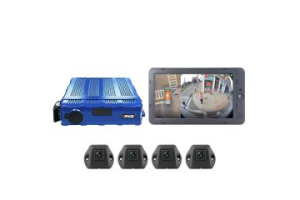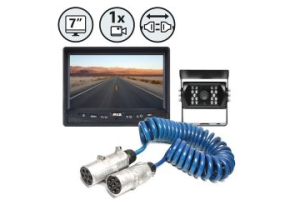


How Semi-Truck Camera Systems Help with Fleet Management and Liability
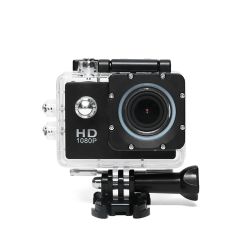
For decades, trucking depended on side mirrors and the instinct of drivers to manage the road visibility. But as more and more traffic density increases with stricture regulation, the traditional method isn't enough.
The fleet needs more than depending on their old playbook and guesswork. This is where you need a semi truck camera system, which is both transforming operations and reducing liability. The system restores control where it matters most.
To understand how it helps, improve the credibility, and reduce the liability, here is everything a fleet manager should know.
Why Does Your Semi Truck Need A Better View Of The Road?
Trucks have limited visibility from their rear and side views, which increases the risk of reverse collisions, side swipes, and merging accidents.
- When managers don't have visibility, they are forced to depend on assumptions or incomplete accounts, which affects and weakens their decision-making.
- A better view of the road not just boosts safety but also adds stability for long-term and operational control.
- Gaining a clear view of the road allows managers to prevent accidents, respond faster, and protect drivers in case of false blame.
- Modern logistics demand better visibility and faster turnaround, reducing the delays caused by repeated or cautious maneuvering
- For fleets operating in urban areas, especially in pedestrian-heavy zones or tight spaces, visibility helps in avoiding accidents and boosts public safety.
How Does The Semi Truck Camera System Help?
A semi-truck camera system reshapes how your fleet operates and protects itself from risks.
It makes measurable differences such as :
1. It Closes The Visibility Gaps: Cameras give drivers a complete view of blind spots, trailers, and turns, reducing accidents that can be prevented, which can't be done by traditional mirrors alone.
2. It Helps In Driver Accountability: With the right system, managers can track how fleet managers handle trucks in real time. The footage allows coaches to coach drivers on safe habits instead of depending on reports and assumptions.
3. It Prevents Costly Downtime: By reducing risks, the fleet can avoid the time spent on downtime for repairing, which delays and can be costly for management, and also keeps the vehicles ready for the road.
4. It Helps In Supporting Compliance: The integrated system often syncs with braking, telematics, linking speed and GPS data to video, creating a transparent record of safety and ensuring regulatory compliance.
5. It Builds Trust For Management: Whether it's a client or insurance provider, having video evidence that is verified and accurate fosters trust and confidence in the fleet, ensuring it's managed responsibly.
What Core Components in a System Drive Real Value?
A camera system isn't a single device but a network of integrated components. Each serves its distinct role to provide better protection and management in the fleet.
|
Key Components |
What It Does |
How It Benefits |
Liability Advantage |
|
Forward-facing camera |
Captures the road ahead |
Helps in identifying risky driving behaviors like speeding or tailgating |
Provides evidence for cases like collisions, where blame shifts directly to the truck |
|
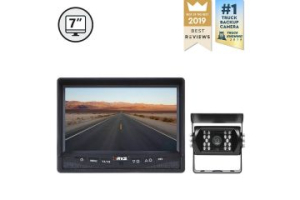
Trailer backup camera |
Covers the blind spot behind the trailers |
Assist in reversing in tight spaces and safe docking |
Reduces disputes over damages in loading areas |
|
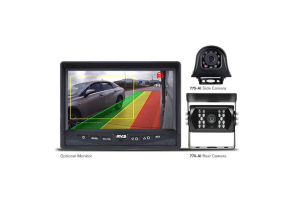
Side cameras |
Helps in eliminating blind zones, especially for lane changes |
Makes merging much safer and lowers accident rates |
Helps in clarifying fault in side-swipe accidents |
|
In-cab driver facing camera |
Monitors distractions or fatigue |
>Alerts managers in case of unsafe behaviors from drivers |
Shows the proactive safety culture to regulators and insurers |
|
Telematics integrations |
Links video with GPS, speed data, and braking |
Creates insights for actionable and boosts performance |
Offers an irrefutable digital trail for liability cases |
Where Does The System Impact Most For Reducing Liability?
Some of the biggest areas where the system helps in cutting liability are
- Collision Investigations: After a crash occurs, video evidence can help in clarifying who was at fault, which reduces exposure to fraudulent claims or costly settlements due to conflicting testimony.
- False Blame on Drivers: In such scenarios, truck drivers are often unfairly blamed. Having footage shows the actual sequence of events, which protects the driver and company from taking responsibility for something they haven't done
- Insurance Claims & Premiums: Accountability is crucial for insurance and premium claims. Reliable video and insights help in providing positive influences when negotiating with insurers.
- Incidents of Cargo & Trailer: With a trailer backup camera, it ensures that any damage to trailers or cargo loading areas is documented. It helps to have recorded footage to support the claims.
- Compliance & Legal Defense: Regulators and courts demand hard evidence to support the company’s claims and strengthen legal defense against liability.
Tips To Boost The Efficiency Of Your Semi Truck Camera System
Here are some of the practical tips to improve your camera system that you should follow :
- Don't depend on the default setup; make sure you position the camera to cover the blind spots customized to trucks, including side panels, rear zones, and hitch points.
- A camera system becomes effective when you link it with telematic data ( speed, braking, and GPS) and allows managers to see what happened and why it happened
- Instead of accidents happening, secure monthly or quarterly audits to review the clips for coaching drivers, spot inefficiencies, and identify the operational risks.
- Explain to your drivers about system value as they shouldn't feel being watched, but improve their efficiency, productivity, and overall safety.
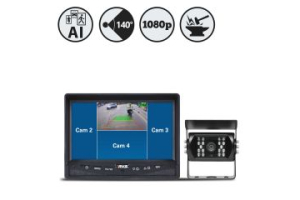
- Advanced systems can automatically help in flagging fatigue, unsafe following distances, and distracted driving.
- Leverage AI-powered analytics to boost proactive safety management.
- Use documented data to leverage for safety improvement when negotiating with insurers, as it helps in lowering premiums and demonstrating stronger practices for risk management.
Wrapping It Up
A semi truck camera system is no longer an add-on; it's a core tool for running a smarter, accountable, and safer fleet.
It reduces the blind spots to protect against false claims, strengthens operational efficiency, and improves liability management.
As for fleet management, the key advantage is how the camera system is used, integrated with telematics and coaching using real footage.
Also, leveraging data allows managing proactively, which enables the fleets to operate, protect, and grow in the future.