

Cargo Safety in Commercial Fleets: Reducing Risk and Liability
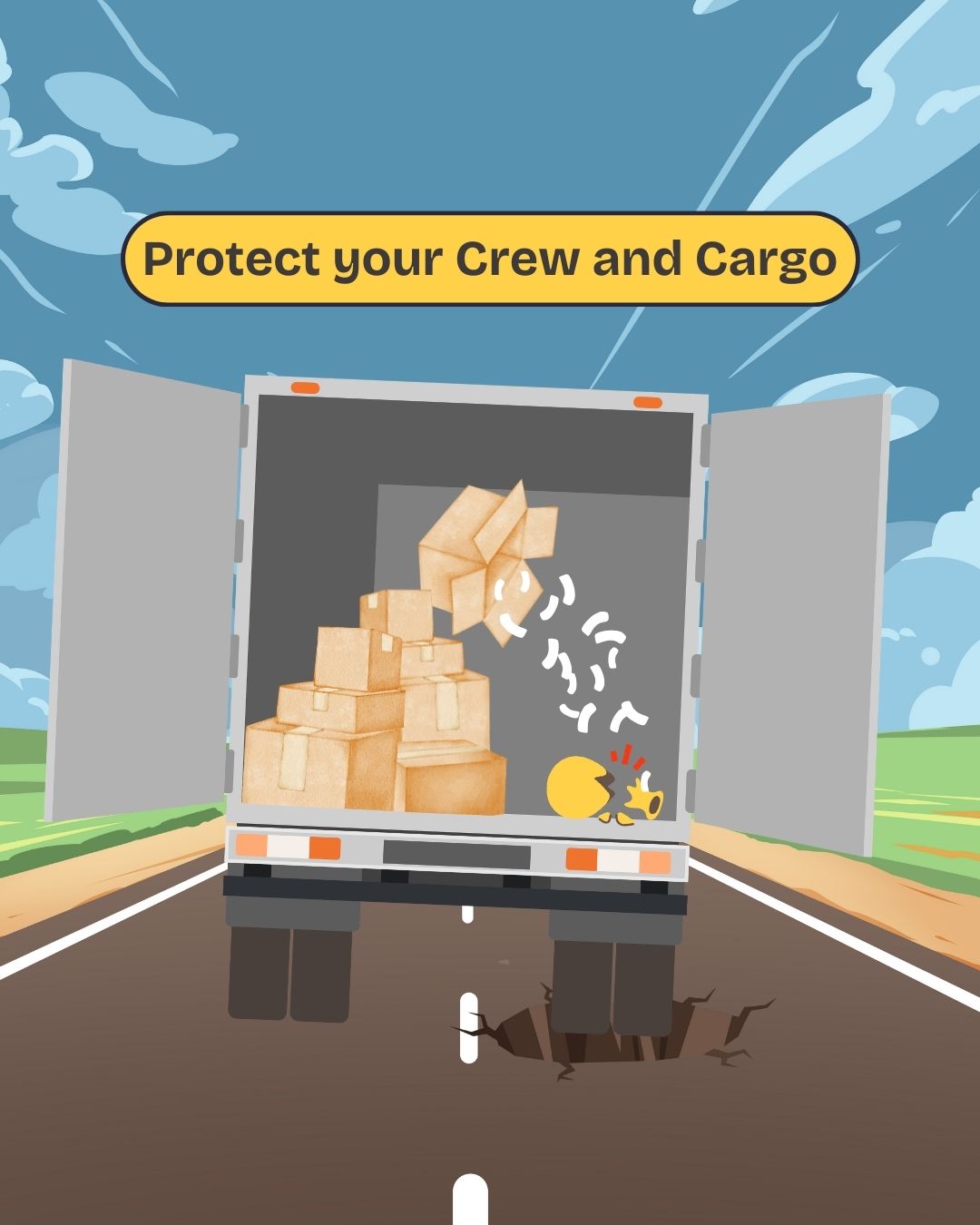
Improper cargo loading and securement are serious safety concerns for commercial fleets. Shifting or falling loads puts drivers and loading dock employees at risk, contributing to about 730 fatalities and 17,000 injuries in the U.S. each year . For fleet owners, the consequences extend beyond the road, leading to liability claims, financial losses, downtime, and reputational damage.
Proper load securement and regulatory compliance are essential for safety and efficiency. In this article, we’ll discuss the risks and costs of improperly packed cargo and provide insights on measures fleets can take to reduce accidents and protect operations.,/p>
The Risks of Improperly Secured Cargo in Commercial Fleets
All U.S. states require cargo to be secured to prevent it from falling, leaking, or shifting during transport. Drivers of large commercial vehicles are responsible for following these laws, and the Federal Motor Carrier Safety Administration (FMCSA) updated its cargo securement rules in 2022 to set clear guidelines for cargo securement to reduce safety risks.
Some of the most common risks and consequences of improper load securement include:
Vehicle Instability and Rollovers
Poorly secured cargo can create serious safety problems during transport. Unanticipated movement of the cargo when the vehicle turns or brakes suddenly can cause vehicle instability, or can injure drivers, passengers, other vehicles, and pedestrians. Loads that shift or become unbalanced during transit can also back up against the door, which can be hazardous during unloading and can injure workers when the door is opened.
Increased Stopping Distance and Brake Failure
Loads shifting forward during braking can increase stopping distances and overwork the brake system, leading to greater risk of rear-end collisions and mechanical failures, particularly in overloaded trucks
Financial and Legal Liabilities
The financial impact of poorly secured loads can be substantial. Industry data shows that unsecured or improperly secured cargo costs the U.S. freight sector hundreds of millions of dollars annually . For fleets already operating on tight margins, damaged goods, delayed deliveries, and liability claims add significant and unexpected expenses.
Violations of FMCSA cargo securement rules can carry fines of up to $5,000 , while accidents related to unsecured cargo may increase insurance premiums and lead to potential legal disputes. These incidents can also affect business reputation, making it harder to maintain customer confidence and long-term contracts.
Operational Impact
When cargo shifts during transit, there’s a higher chance of goods getting damaged and safety risks during unloading. With fleets operating on tight timelines with intricate routes, a disruption due to any of these factors can delay supply chains and affect operational efficiency and result in downtime, delayed deliveries and increased pressure on drivers already working long hours.
Best Practices to Reduce Cargo Handling Risks
A few ways fleets can manage cargo safely and reduce handling risks include:
Driver Training and Education
A comprehensive training program equips drivers with the knowledge and skills to keep fleet operations safe and compliant. Management support and a safety-first culture improve overall performance by ensuring drivers understand safety protocols, regulatory requirements, and the importance of pre-loading inspections.
Technology with features like video telematics with AI technology combine driver footage alongside real-time data such as speed and braking to identify unsafe patterns and guide coaching. These systems give fleet managers visibility into driver behavior, promote accountability, and provide tools to improve performance and reduce risk.
Rear View Safety’s MobileMule offers a scalable, cost-effective solution that helps fleets detect fatigue, distraction, and risky behavior before it can lead to costly incidents. With dual-camera views of the road and driver, scoring tools, and smart alerts, fleet managers can coach more effectively, improve performance, and reduce long-term risk.
Safe Loading and Unloading Practices
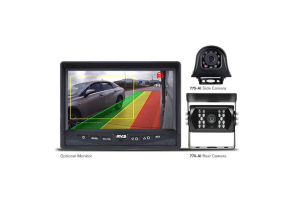
According to the U.S. Bureau of Labor Statistics, the transportation and warehousing sector reported more than 6,700 injuries from falls in a year . To reduce the risk of falls during loading and unloading, consider Rear View Safety’s LedgeAlert AI . It is a cargo ledge fall prevention system that uses advanced AI technology to detect potential falls at the back of commercial trucks. LedgeAlertAI gives real-time visual and audio warnings when someone steps into a predefined hazard zone – increasing situational awareness when it’s needed the most.
Technology for Cargo Monitoring
Integrate fleet safety technology to minimize the risk of accidents and safety hazards caused by improper cargo securement. Advanced camera systems give fleet managers the ability to remotely view the loading and unloading procedures and check the safety of the cargo.
Rear View Safety camera systems like the CargoEye expand visibility into the cargo area with a mini-DVR and SD card for remote viewing on Android, iOS, and Windows. Mounted inside the truck, it allows fleet managers to monitor loading and unloading practices and check cargo security while in transit.
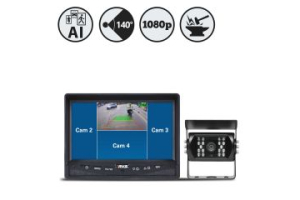
Cargo safety on the road can be enhanced with camera and radar detection systems like the AirVue. The Air Vue Advanced system uses six cameras to give fleets complete visibility of the road and cargo area. With a wireless range of up to 300 feet, it integrates with leading telematics platforms so drivers and fleet managers can monitor conditions in real time. This helps ensure secure loading, stable cargo during transit, and improved awareness on the road.
Improve Safety and Reduce Cargo Management Risks with Tailored Safety Solutions
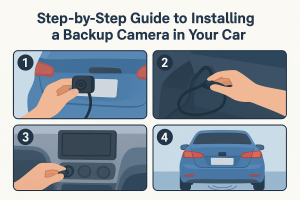
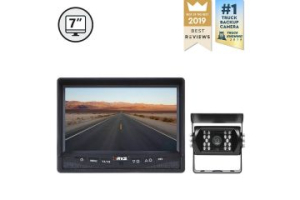
Improperly packed cargo creates significant risks for drivers, fleets, and the public. These challenges can be reduced with proactive management and fleet safety technology to prevent accidents during loading, unloading, and transport. Tools like LedgeAlert AI and CargoEye improve cargo safety, and road safety systems such as backup cameras and blind spot monitoring help protect drivers and improve operational efficiency
For fleets committed to safety and smart growth, Rear View Safety offers a complete range of innovative camera systems in every product. With the mission to make the roads a safer place, we aim to provide our drivers with the highest quality and most personalized vehicle safety solutions.
Need help choosing the right camera system for your fleet? Use our ROI calculator to estimate how much you can save or visit the support page for quick answers. If you’d prefer to speak with someone, feel free to contact us directly.